MPs in Sierra Leone Highlighting Development Work Beyond Politics
By Abdul Rahman Bah
In every democracy, citizens have a responsibility to hold their leaders accountable. Scrutiny, criticism, and public debate are essential pillars of good governance. However, there is also a need for balance. While it is important to point out shortcomings and demand better performance from public officials, it is equally important to acknowledge the positive contributions many leaders make to the development of their communities. Across Sierra Leone, several Members of Parliament continue to play significant roles in addressing the needs of their constituents, often working under challenging conditions and with limited resources.
The role of a Member of Parliament extends far beyond attending parliamentary sittings in Freetown. MPs are elected to serve as the voice of their people, represent local concerns, advocate for development projects, and ensure that government policies reflect the realities faced by ordinary citizens. In many constituencies across Sierra Leone, MPs have become important bridges between local communities and national decision-makers, helping to channel attention to issues that might otherwise remain ignored.
Despite financial constraints and the enormous expectations placed upon them, many MPs continue to contribute to the welfare of their communities. Some support educational initiatives by providing scholarships to disadvantaged students, renovating school buildings, donating learning materials, and helping young people gain access to opportunities that would otherwise be beyond their reach. In a country where access to quality education remains a challenge for many families, such interventions can change lives and create pathways out of poverty.

Healthcare is another area where parliamentary representatives have made meaningful contributions. Across various districts in Sierra Leone, MPs have assisted community health centers with medical supplies, supported outreach programs, and helped vulnerable patients access treatment. In remote communities where health services remain limited, these efforts often provide much-needed relief and demonstrate a commitment to improving the well-being of constituents.
Many MPs have also intervened during emergencies and disasters. Whether responding to floods, fires, disease outbreaks, or community crises, several parliamentarians have mobilized resources, provided humanitarian assistance, and worked with local authorities to support affected families. Such interventions may not always attract national headlines, but they often bring immediate comfort and practical assistance to people facing difficult circumstances.
Infrastructure development remains one of the most pressing concerns in Sierra Leone. Communities continue to struggle with poor roads, inadequate water supply, unreliable electricity, and limited public facilities. While MPs do not directly control national development budgets, many have consistently used their positions to advocate for improvements in these areas. Through parliamentary debates, committee engagements, consultations with ministries, and direct lobbying of development partners, they have pushed for projects that benefit their constituencies. In many cases, roads have been rehabilitated, boreholes constructed, schools upgraded, and health facilities improved as a result of persistent advocacy.
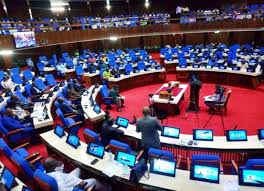
Parliament itself serves as a crucial platform where MPs raise concerns affecting their communities. Issues such as youth unemployment, illegal mining, environmental degradation, gender-based violence, rising food prices, inadequate healthcare services, and poor infrastructure are regularly brought before the House in Sierra Leone by parliamentarians seeking solutions for their constituents. While citizens may not always see the behind-the-scenes efforts involved in these engagements, parliamentary records often reveal extensive discussions and interventions aimed at improving national and local conditions.
The expectations placed on MPs in Sierra Leone are often immense. Constituents frequently look to them not only as lawmakers but also as providers of direct assistance. Many MPs receive requests for school fees, medical support, funeral contributions, employment opportunities, community projects, and emergency assistance. Although such responsibilities are not formally part of their constitutional mandate, many parliamentarians continue to respond to these needs because of the realities faced by the people they represent.
At the same time, citizens have every right to criticize leaders who fail to meet expectations. Accountability remains fundamental to democratic governance. However, criticism becomes more constructive when it is grounded in fairness and objectivity. Recognizing achievements does not mean ignoring failures, just as pointing out weaknesses should not erase genuine accomplishments. A mature democracy requires both accountability and appreciation.
Unfortunately, public discourse in Sierra Leone often focuses almost exclusively on negative developments. Positive initiatives, community interventions, and development achievements frequently receive less attention than controversies and political disagreements. As a result, some citizens may overlook the efforts being made by leaders who are genuinely committed to serving their communities. This can create a distorted picture of governance and discourage those working diligently to bring about positive change.

Sierra Leone’s development challenges are complex and cannot be solved by any single institution or individual. Progress requires collaboration among government, Parliament, local councils, civil society organizations, development partners, and citizens themselves. Members of Parliament remain an important part of this broader development framework. Their effectiveness should be assessed not only by political affiliation or public perception but also by their commitment to representing the interests of their constituents and contributing to national development.
As Sierra Leone continues its journey toward economic growth, social progress, and democratic consolidation, there is a need to cultivate a culture that values both accountability and recognition. Citizens should continue to demand transparency, integrity, and effective leadership while also acknowledging efforts that produce tangible benefits for communities. Where MPs perform well, support development initiatives, advocate for their people, and demonstrate dedication to public service, such contributions deserve recognition.
Across Sierra Leone, many Honourable Members of Parliament continue to work quietly behind the scenes, helping communities overcome challenges and creating opportunities for development. Their contributions may vary in scale, but each effort has the potential to improve lives, strengthen communities, and contribute to the nation’s progress. In a democracy, fair criticism is necessary, but so too is the willingness to recognize those who are making a positive difference. Only through such balance can Sierra Leone foster a stronger culture of service, accountability, and national development.