Iran Pledges Assistance for Sierra Leonean Hajj Pilgrims
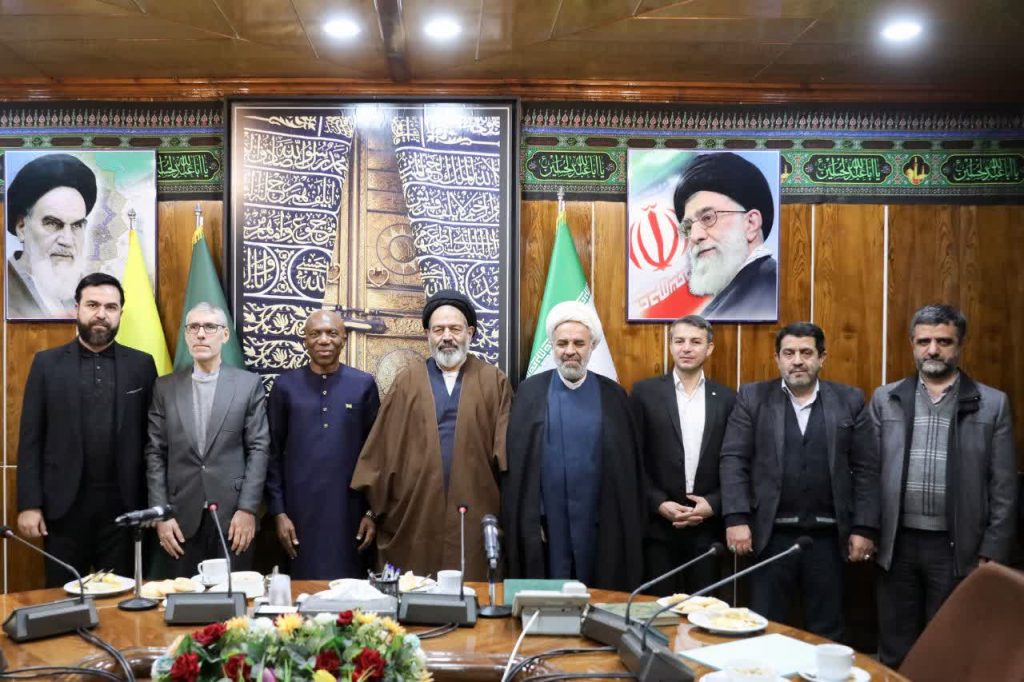
In a high-profile meeting in Tehran, the Representative of the Supreme Leader for Hajj and Pilgrimage Affairs in Iran reaffirmed the country’s commitment to deepening bilateral relations with Sierra Leone. This was highlighted during discussions with His Excellency Ambassador Salamu Koroma, focusing on Islamic solidarity, the Hajj pilgrimage, and broader areas of cooperation between the two nations.
Dr. Seyyed Abdul Fattah Nawwab, the Supreme Leader’s representative on Hajj affairs, emphasized Iran’s extensive experience in organizing and facilitating the sacred pilgrimage. He expressed Iran’s willingness to share its expertise in Hajj management, including its well-established training programs for pilgrimage facilitators and the publication of nearly 2,000 books on Hajj over the past 46 years.

“This Hajj season presents a vital opportunity to strengthen our relations and address significant Islamic issues,” Dr. Nawwab stated. He welcomed collaboration with Sierra Leone on Hajj-related matters, particularly given the rising number of Sierra Leonean pilgrims traveling to Saudi Arabia. He also stressed the importance of fostering ties between Islamic nations through cultural and religious exchanges, including collaborations among international Quran reciters from both countries.
Ambassador Koroma, in his response, acknowledged the efforts of his Iranian counterpart, Dr. Hassan Alie Nia, in facilitating this crucial dialogue. He expressed gratitude for Iran’s commitment to strengthening unity within the Islamic community and emphasized the need for greater cooperation in streamlining the pilgrimage process.
Reaffirming Sierra Leone’s dedication to the Organization of Islamic Cooperation (OIC), Ambassador Koroma reiterated the country’s continued support for Palestinian rights. He also highlighted Sierra Leone’s role as a non-permanent member of the UN Security Council, emphasizing its commitment to global peace and African representation in international decision-making.
Ambassador Koroma further stressed President Julius Maada Bio’s recognition of Iran as a friendly and reliable partner. While Iran has an established embassy in Sierra Leone, he noted that his mission in Iran aims to strengthen diplomatic, economic, and educational ties between the two nations.
One of the key areas of interest for Sierra Leone is agricultural development, Ambassador Koroma emphasized. Despite the country’s fertile land and favorable rainfall, achieving food self-sufficiency remains a challenge. “Iran’s expertise in modern agricultural techniques could provide valuable solutions to this pressing issue,” he suggested.
Education was another crucial topic of discussion, with Ambassador Koroma highlighting the presence of sixteen Sierra Leonean students currently studying in Iran. He suggested that expanding student exchange programs and scholarships could serve as a foundation for stronger academic collaboration between the two countries.
Addressing the economic challenges faced by Sierra Leonean Muslims undertaking the Hajj pilgrimage, Ambassador Koroma called for Iran’s support in easing the burden on pilgrims. He pointed out that many rely on the goodwill of friendly Muslim countries like Iran to afford the sacred journey and expressed hope that Iran’s experience and assistance could enhance the Hajj experience for Sierra Leonean pilgrims.
In response, Dr. Nawwab assured the Ambassador of Iran’s readiness to support Sierra Leonean pilgrims, including offering opportunities for student exchanges and scholarships. He encouraged greater coordination between the two nations to ensure a well-organized Hajj mission and foster long-term collaboration in Islamic affairs.
This high-level meeting marks a significant step toward strengthening the relationship between Sierra Leone and Iran, with both nations looking forward to increased cooperation in religion, education, agriculture, and diplomacy.