ECOWAS, GIZ Partner to Strengthen Customs Operations
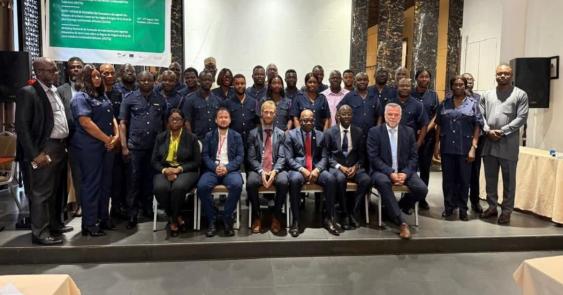
Sierra Leone has taken another decisive step toward boosting its trade capacity and strengthening its role in continental integration with the successful conclusion of a three-day Training of Trainers (ToT) workshop for Customs Officers of the National Revenue Authority (NRA). The training, organized by the Economic Community of West African States (ECOWAS) in collaboration with the German Development Agency (GIZ), focused on deepening officers’ understanding of the Rules of Origin under the African Continental Free Trade Area (AfCFTA).
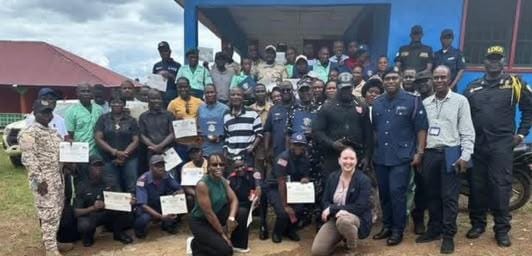
The workshop, which ended with the distribution of certificates to participants, was designed not just as a technical training but also as a capacity-building initiative. Its ultimate goal is to create a core team of trained officers who can pass on their knowledge to colleagues across the country, thereby multiplying the impact of the program and ensuring Sierra Leone is well-positioned to benefit from AfCFTA’s immense opportunities.
Why Rules of Origin Matter
At the opening session, Gerald H.P. Ganda, Deputy Commissioner General II of the NRA, stressed the strategic importance of Rules of Origin in global and regional trade. He explained that these rules are essential for determining the economic nationality of goods—a vital element in ensuring tariff exemptions, preferential treatment, and fair competition among trading partners.
“Without a proper understanding and enforcement of Rules of Origin, trade agreements like the AfCFTA risk being undermined. They ensure that benefits such as tariff reductions go to the right producers and exporters, thereby supporting genuine growth and industrialization,” Ganda said.
He commended ECOWAS and GIZ for their consistent support to Sierra Leone’s customs modernization efforts, noting that the training would have long-term benefits for trade facilitation, revenue collection, and regional cooperation.
Regional Context and Political Support
The ECOWAS Resident Representative, Ambassador John Azumah, used the opportunity to congratulate President Julius Maada Bio on his recent appointment as Chairman of the ECOWAS Authority of Heads of State and Government. He described the appointment as a significant moment, not only for Sierra Leone but for the wider region, expressing confidence that President Bio’s leadership would accelerate initiatives aimed at regional integration, including free movement of goods and services.
“AfCFTA is not just about economics; it is about uniting Africa and breaking down the barriers that have historically hindered trade between our countries. This training for Sierra Leone’s customs officers is part of that vision. By empowering them with technical expertise, we are laying the groundwork for smoother trade across borders,” Ambassador Azumah said.
GIZ’s Commitment to Trade Facilitation
Raphael Frerking, GIZ Country Director, described the AfCFTA as a cornerstone in Africa’s path toward creating a common internal market. He recalled the Abuja Treaty and the Kigali Summit as critical milestones that gave shape to today’s AfCFTA, now representing the largest free trade area in the world by membership.
Frerking emphasized that customs officials play a frontline role in this process: “They are the gatekeepers of trade. With the right skills, they can reduce fraud, streamline border processes, and ensure fair competition. This training is not just about building technical capacity—it’s about strengthening trust in the trading system and giving Sierra Leone the tools to compete on a continental scale.”
Impact on Sierra Leone’s Trade Future
The AfCFTA, once fully operational, has the potential to lift millions out of poverty, boost industrialization, and significantly expand intra-African trade. For Sierra Leone, where trade has long been dominated by extractives and heavily reliant on external partners, the agreement provides an opportunity to diversify exports, build manufacturing capacity, and access new markets across Africa.
By training NRA officers to become trainers themselves, the initiative ensures a ripple effect: officers in Freetown, Bo, Makeni, Kenema, and even border posts in remote areas will gradually be exposed to the knowledge and practices needed to implement AfCFTA rules effectively. This will not only improve compliance but also reduce delays, improve transparency, and build confidence among traders.
A Step Toward Transparency and Integration
The workshop concluded with renewed optimism among participants, who expressed readiness to carry the lessons forward. By empowering customs officers, Sierra Leone is making a clear statement about its commitment to transparency, efficiency, and integration into Africa’s shared economic future.
As Sierra Leone continues to build trade capacity, the collaboration between ECOWAS, GIZ, and the NRA signals that the country is not just preparing for AfCFTA implementation—it is actively positioning itself as a credible partner in regional and continental trade.