ECOWAS Provides US$35,000 Grant to Support 55 Victims of Human Trafficking in SL
The Economic Community of West African States (ECOWAS) has approved a US$35,000 grant to provide direct assistance to 55 victims and survivors of human trafficking in Sierra Leone, as the regional bloc intensifies efforts to strengthen protection, rehabilitation and reintegration mechanisms for vulnerable people across West Africa.
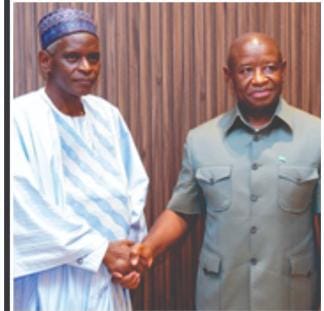
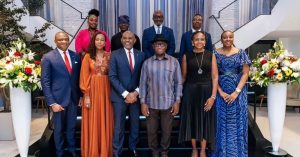
The grant documents were formally signed in Freetown on Thursday, 6 August 2026, by the International Organization for Migration (IOM) Sierra Leone, the ECOWAS Resident Representative in Sierra Leone and the Anti-Trafficking in Persons Task Force Secretariat.
The signing marks the formal commencement of the implementation process for the 2026 ECOWAS Grant for Direct Assistance to Victims of Trafficking and reinforces the commitment of the three institutions to ensuring that victims receive timely, coordinated and survivor-centred support.
The project, titled “Protection of Victims of Trafficking,” is expected to provide direct assistance to 55 beneficiaries living in shelters and communities across Sierra Leone.
The beneficiaries comprise nine girls, four boys, 40 women and two men, highlighting the disproportionate impact of human trafficking on women and children and the need for targeted interventions that respond to the different circumstances and vulnerabilities of survivors.
The US$35,000 intervention is funded by ECOWAS as part of its continuing support to member states in strengthening mechanisms for the protection and assistance of victims of trafficking.
The initiative is designed not only to provide immediate assistance to survivors but also to contribute to the development of stronger national systems capable of identifying victims, protecting them from further harm and connecting them with appropriate recovery and reintegration services.
Under the project, beneficiaries will have access to essential protection and assistance services aimed at helping them recover from their experiences and regain stability in their lives.
Such support may include access to safe accommodation, healthcare, psychosocial counselling, legal assistance, rehabilitation services and livelihood-related support, depending on the individual circumstances and needs of each beneficiary.
The survivor-centred approach is intended to ensure that assistance is not provided through a one-size-fits-all model. Instead, the project will seek to recognise the individual experiences, vulnerabilities and recovery needs of victims.
The Request for Proposal documents were approved and signed by members of the Grant Steering Committee, formally paving the way for the implementation of the project.
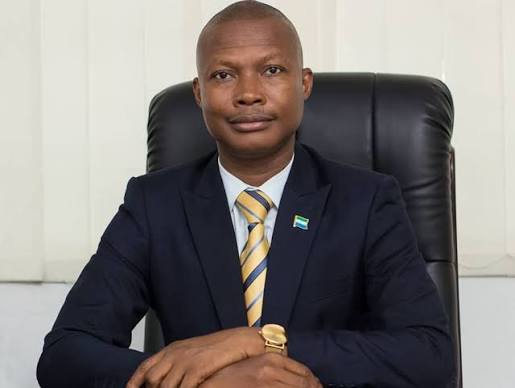
The Steering Committee comprises the Executive Director of the Anti-Trafficking in Persons Task Force Secretariat, Dehunge Shiaka; the ECOWAS Resident Representative in Sierra Leone, His Excellency Ambassador John Azuma; and the Officer-in-Charge of the International Organization for Migration Sierra Leone, Dr. Pauline Macharia.
Their involvement provides an institutional framework for coordinating the project and ensuring that the grant is implemented in line with its intended objectives.
The collaboration also reflects the growing recognition that combating human trafficking requires close cooperation between national authorities, regional institutions, international organisations and service providers.
Human trafficking remains a complex and transnational crime that can involve the recruitment, transportation, transfer, harbouring or receipt of people for purposes of exploitation.
Victims can experience severe physical, psychological and economic consequences, with many requiring sustained assistance long after they have been removed from situations of exploitation.
Women and children are particularly vulnerable to trafficking and may face different forms of exploitation, including sexual exploitation, forced labour, domestic servitude and other forms of abuse.
For survivors, the process of recovery can be challenging. Many may return to their communities with limited financial resources, disrupted family relationships, psychological trauma and difficulties accessing education, employment and other opportunities.
This makes comprehensive reintegration support critical to preventing survivors from becoming vulnerable to further exploitation.
The ECOWAS grant is therefore expected to help bridge some of these gaps by providing targeted assistance while strengthening referral and protection mechanisms for victims.
The 2026 intervention also represents the second ECOWAS project grant supporting efforts against human trafficking in Sierra Leone.
The continuation of ECOWAS support demonstrates the importance the regional organisation places on Sierra Leone’s efforts to strengthen its national response to trafficking and improve the protection available to victims.

It also represents another step towards implementing the ECOWAS Regional Policy on the Protection and Assistance of Victims of Trafficking in Persons in West Africa.
The regional policy promotes stronger cooperation among ECOWAS member states and seeks to establish effective mechanisms for preventing trafficking, protecting victims and supporting their recovery.
For Sierra Leone, regional cooperation is particularly important because trafficking networks can operate across national borders, making coordination between countries and institutions essential for prevention, identification, investigation and victim assistance.
The project is expected to strengthen collaboration among institutions involved in identifying and assisting victims, while improving the referral pathways through which survivors can access specialised services.
It will also contribute to strengthening the capacity of relevant institutions and service providers to respond to trafficking cases in a coordinated and effective manner.
Rather than focusing exclusively on the immediate removal of victims from exploitative situations, the project places emphasis on what happens afterwards—including recovery, protection, rehabilitation and sustainable reintegration.
This approach is important because victims may remain vulnerable even after leaving trafficking situations.
Without adequate protection and livelihood opportunities, survivors can face economic hardship, social stigma and other pressures that may expose them to renewed exploitation.
The provision of livelihood and reintegration support can therefore play an important role in helping survivors regain independence and rebuild their lives.
The project is also expected to strengthen assistance for victims living outside formal shelters, recognising that survivors may return to or remain within communities where they require continued protection and support.
Community-based assistance can help ensure that survivors are not overlooked once they leave shelters and that their recovery continues beyond the initial stages of intervention.
The involvement of IOM Sierra Leone is also expected to contribute to the project’s implementation through its experience in migration management, protection and assistance to vulnerable populations.
Meanwhile, the Anti-Trafficking in Persons Task Force Secretariat remains a key national mechanism in coordinating Sierra Leone’s response to trafficking, while ECOWAS provides the regional framework and financial support necessary to strengthen cross-border cooperation and victim protection.
The partnership among the three institutions therefore brings together regional policy, national coordination and technical expertise in an effort to deliver practical support to survivors.
The signing ceremony in Freetown represents a renewed commitment to placing victims at the centre of Sierra Leone’s anti-trafficking response.
It also sends a message that combating trafficking should not end with identifying or rescuing victims, but must include sustained efforts to protect their rights, restore their dignity and create conditions that enable them to rebuild their lives.
With 55 beneficiaries set to benefit from the 2026 grant, the programme is expected to provide meaningful assistance to a group of vulnerable survivors while also contributing to broader improvements in the country’s victim protection system.
The institutions involved are expected to work together to ensure effective implementation, accountability and coordination throughout the project period.
The intervention further underscores the importance of continued investment in victim-centred services, particularly at a time when trafficking remains a serious concern requiring sustained national and regional attention.
As implementation begins, the ECOWAS-funded project is expected to strengthen the link between victim identification, immediate protection, rehabilitation and long-term reintegration.
Ultimately, the initiative seeks to ensure that victims of trafficking are not defined solely by their experiences of exploitation, but are supported to recover, regain independence and participate meaningfully in their families and communities.
The signing of the grant documents therefore marks another important milestone in Sierra Leone’s fight against human trafficking and reinforces the country’s partnership with ECOWAS and IOM in advancing the protection of vulnerable people.
It also demonstrates a shared determination to build stronger systems capable of responding effectively to trafficking cases while ensuring that survivors receive the dignity, protection and assistance they need to move forward with their lives.