Hon Kargbo Leads APC Walkout Over Constitutional Bill
By Abdul Rahman Bah
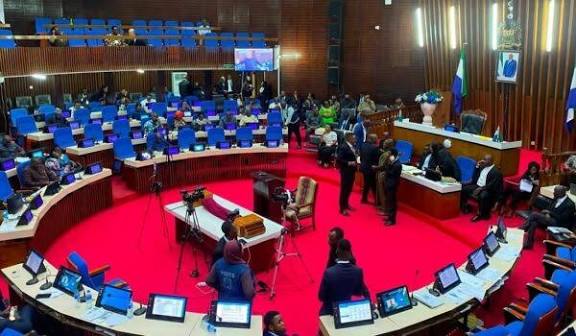
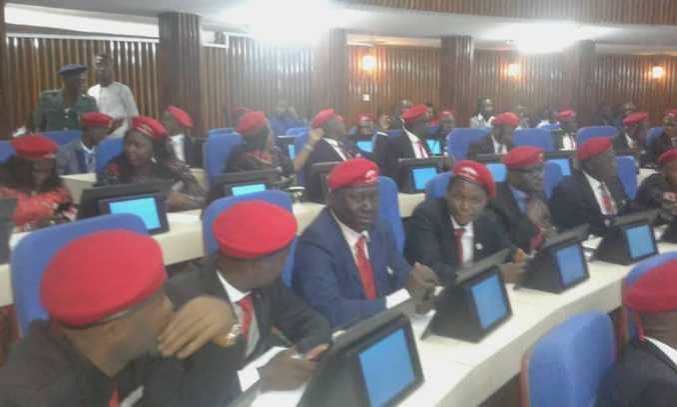
Members of Parliament from the All People’s Congress (APC) have rejected the Constitution of Sierra Leone (Amendment) Bill, 2025, following a heated sitting at the Well of Parliament in Tower Hill, Freetown, on Monday, 10 August 2026.
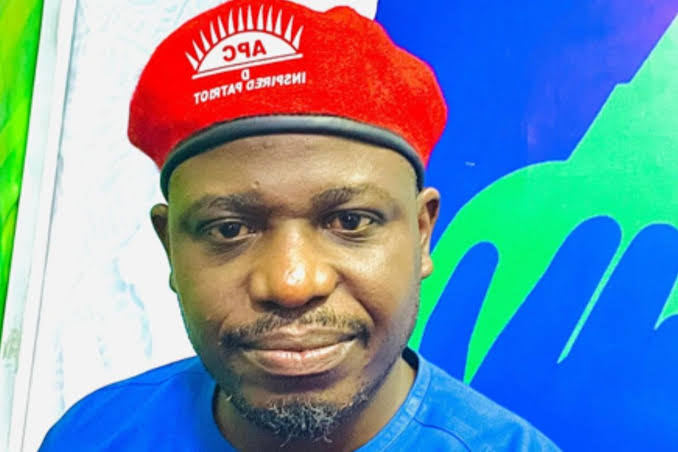
The opposition MPs, led by Hon. Abdul Kargbo, Minority Leader of the APC, strongly objected to the procedure adopted by Parliament in considering and passing the constitutional amendment.
Hon. Kargbo and his colleagues argued that Parliament, as a constitutional institution, has a fundamental responsibility to ensure that any alteration to Sierra Leone’s supreme law is carried out strictly in accordance with the 1991 Constitution.
The Minority Leader maintained that MPs must never become part of a procedure that they believe is inconsistent with constitutional requirements. The APC MPs therefore refused to participate further in the proceedings and eventually walked out of the Well of Parliament as the House proceeded with the bill.
The walkout transformed the parliamentary sitting into a major political and constitutional confrontation. The APC’s objection was not limited to the substance of the amendment but focused heavily on the procedure and voting threshold being applied.
Hon. Abdul Kargbo emerged as one of the strongest voices in the opposition’s resistance, stressing that Members of Parliament have a duty to defend the Constitution rather than simply follow a parliamentary procedure that they believe could undermine it.
At the heart of the disagreement was the interpretation of Sections 91 and 108 of the 1991 Constitution and the question of whether the amendment required a two-thirds majority or could be approved through the ordinary parliamentary voting threshold.
Speaker of Parliament, Rt. Hon. Segepoh Solomon Thomas, defended the position adopted by the House and provided a different constitutional interpretation.
In his ruling, the Speaker maintained that the Constitution must be read as a whole and that the voting requirements applicable to constitutional amendments depend on the specific provisions being altered.
The Speaker argued that Section 91 provides the general framework for voting in Parliament, while Section 108 sets out the procedure for constitutional alteration. His interpretation was that the special two-thirds majority requirement applies where the Constitution expressly provides for such a threshold, rather than automatically applying to every constitutional amendment.
On that basis, the Speaker ruled that the provisions targeted by the Constitution of Sierra Leone (Amendment) Bill, 2025, did not fall within the category requiring the special two-thirds threshold and that the general parliamentary majority could therefore apply.
The ruling, however, failed to convince the APC Minority Leader and his colleagues.
Hon. Kargbo maintained the opposition’s position, leading APC MPs out of the chamber in a dramatic demonstration of their disagreement with the process.
The confrontation has now developed into a broader national debate about constitutional interpretation, parliamentary authority and the safeguards required when Parliament seeks to alter the country’s supreme law.
The Speaker has also referred the broader constitutional question concerning the amendment of non-entrenched provisions to the Supreme Court for an opinion.
That referral could become particularly significant. An authoritative interpretation by the Supreme Court could clarify the relationship between Sections 91 and 108 and provide guidance on how Parliament should handle similar constitutional amendments in the future.
For Hon. Abdul Kargbo and the APC, Monday’s proceedings represented a constitutional line that they were unwilling to cross. Their position was that Parliament must exercise the greatest possible caution when dealing with the Constitution and must ensure that every procedural requirement is fully satisfied.
The Government and parliamentary majority, however, maintain that the process followed the Constitution and that Parliament acted within the powers granted to it.
The passage of the bill has therefore not brought the controversy to an end. Instead, it has intensified a constitutional debate that could extend beyond the current Parliament and influence future attempts to amend Sierra Leone’s supreme law.
At the centre of the dispute remains one fundamental question: what voting threshold does the Constitution require when Parliament seeks to amend provisions that are not expressly entrenched?
Until the Supreme Court provides further clarity, the APC walkout led by Minority Leader Hon. Abdul Kargbo and the constitutional ruling delivered by Speaker Rt. Hon. Segepoh Solomon Thomas will remain significant moments in the continuing debate over the Constitution of Sierra Leone (Amendment) Bill, 2025