UNDP Deepens Capacity Building for GEF Environmental Projects
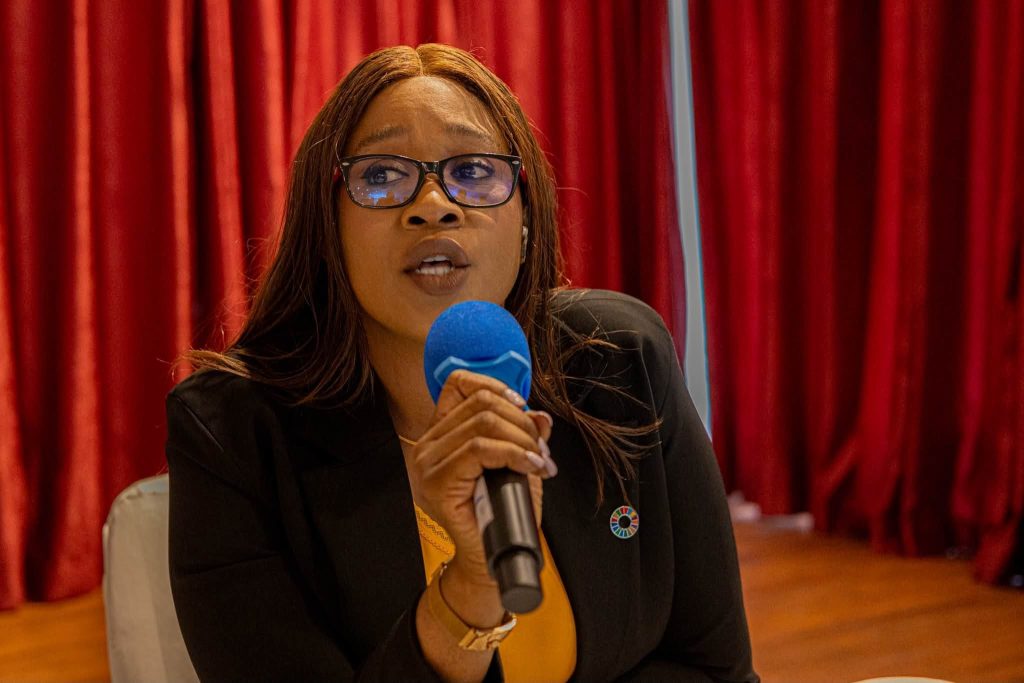
The United Nations Development Programme (UNDP) in Sierra Leone has commenced a two-day performance review and capacity-strengthening workshop aimed at improving accountability, coordination and effective implementation of two Global Environment Facility (GEF)-funded environmental projects being implemented in partnership with the Ministry of Environment and Climate Change.
The two projects are the Sustainable and Integrated Landscape Management of the Western Area Peninsula (WAP) and the Sustainable and Integrated Landscape Management in Koinadugu and Falaba.
The workshop brings together key project partners and stakeholders to assess implementation progress, strengthen institutional capacity and ensure that activities are delivered in accordance with established Government of Sierra Leone and UNDP/GEF requirements.
The engagement comes as the projects approach the end of their implementation period, making the review particularly important in assessing achievements, identifying outstanding activities and addressing any challenges that could affect the successful completion of the initiatives.
Speaking during the workshop, UNDP representatives emphasised the importance of accountability and effective project management in ensuring that resources provided for environmental protection and sustainable development are used responsibly and generate the intended results.
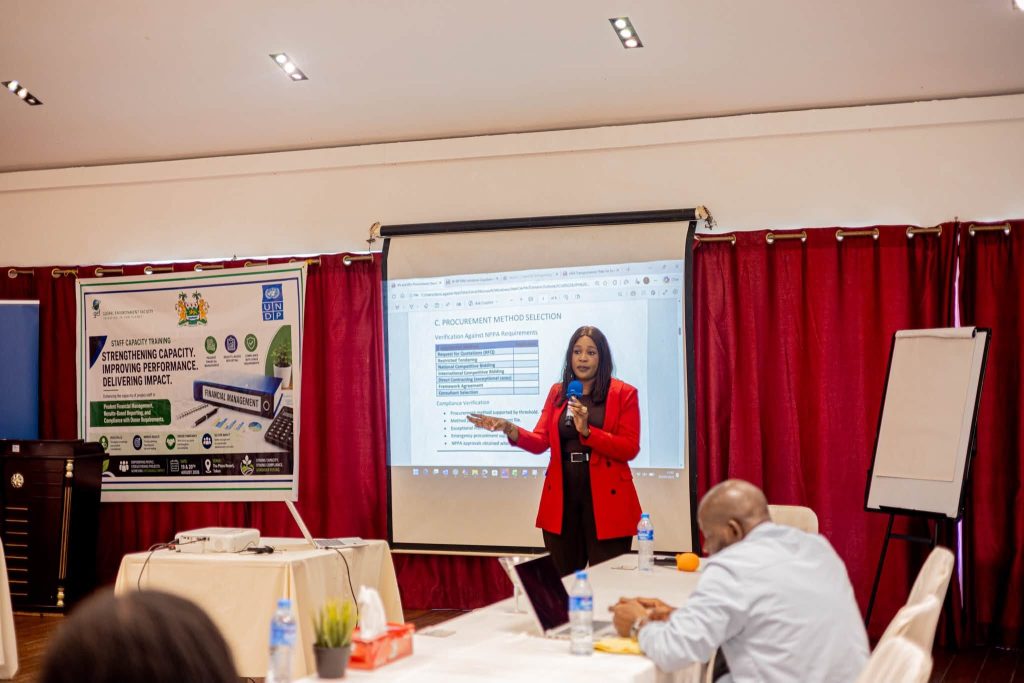
The participants are being strengthened in several critical areas, including financial management, results-based management, procurement, communication, compliance, gender mainstreaming, environmental and social safeguards, and project reporting.
Financial management is a key component of the workshop, with participants expected to improve their understanding of the procedures governing the management, utilisation and reporting of project funds.
The training is also intended to reinforce procurement standards and ensure that goods, services and other resources required for project implementation are acquired transparently and in accordance with applicable rules and regulations.

Another major focus is results-based management, which enables project teams to measure progress against agreed targets and ensure that activities are contributing to tangible environmental and development outcomes.
Participants are also being guided on effective reporting mechanisms, allowing project teams to accurately document activities, achievements, challenges and lessons learned throughout the implementation process.
The workshop further addresses communication, recognising the importance of effectively sharing project information with government institutions, development partners, local communities and other stakeholders.
Gender considerations also feature prominently in the capacity-building exercise. Participants are expected to strengthen their ability to integrate gender perspectives into project planning and implementation, ensuring that environmental interventions respond to the needs and participation of both women and men.
Environmental and social safeguards are another important area of focus. These safeguards are designed to ensure that project activities are implemented responsibly and do not create avoidable negative impacts on communities, ecosystems or vulnerable groups.
The Western Area Peninsula project is particularly significant given the ecological importance of the peninsula and the environmental pressures facing the area. Sustainable landscape management is critical to protecting forests, biodiversity, water resources and other natural assets while supporting the communities that depend on them.
Similarly, the project covering Koinadugu and Falaba seeks to promote sustainable management of landscapes and natural resources while strengthening the capacity of local stakeholders to contribute to environmental protection and sustainable development.
The performance review therefore provides an opportunity for stakeholders from the different project areas to reflect on implementation experiences, share lessons and identify practical measures for improving the remaining activities.

UNDP’s engagement with the Ministry of Environment and Climate Change also highlights the importance of strong institutional partnerships in addressing Sierra Leone’s environmental and climate-related challenges.
The capacity-strengthening component is expected to leave project partners better equipped to manage resources, comply with donor requirements, monitor results and prepare accurate reports.
Participants are also expected to use the workshop to identify gaps in implementation and agree on measures to improve coordination and delivery during the remaining period of the projects.
The emphasis on accountability is particularly important for GEF-funded initiatives, as transparent management of financial and technical resources is essential to maintaining confidence among government institutions, development partners and beneficiary communities.
By strengthening the knowledge and skills of project personnel, the workshop is expected to contribute to more efficient use of resources and improved delivery of planned interventions.
The initiative also reinforces the shared commitment of the Government of Sierra Leone, UNDP and the GEF to strengthening environmental governance, protecting vulnerable ecosystems and promoting sustainable management of the country’s natural resources.
As the two projects move towards the conclusion of their implementation period, stakeholders are expected to build on the lessons from the performance review and ensure that outstanding activities are completed effectively and that the gains achieved are sustained beyond the projects’ lifespan.
The two-day workshop ultimately serves as both a review mechanism and a capacity-building opportunity, aimed at ensuring that the investments made through the GEF-supported projects translate into lasting environmental and institutional benefits for Sierra Leone.