ECSL Validates Electoral Studies Curriculum
By Abdul Rahman Bah
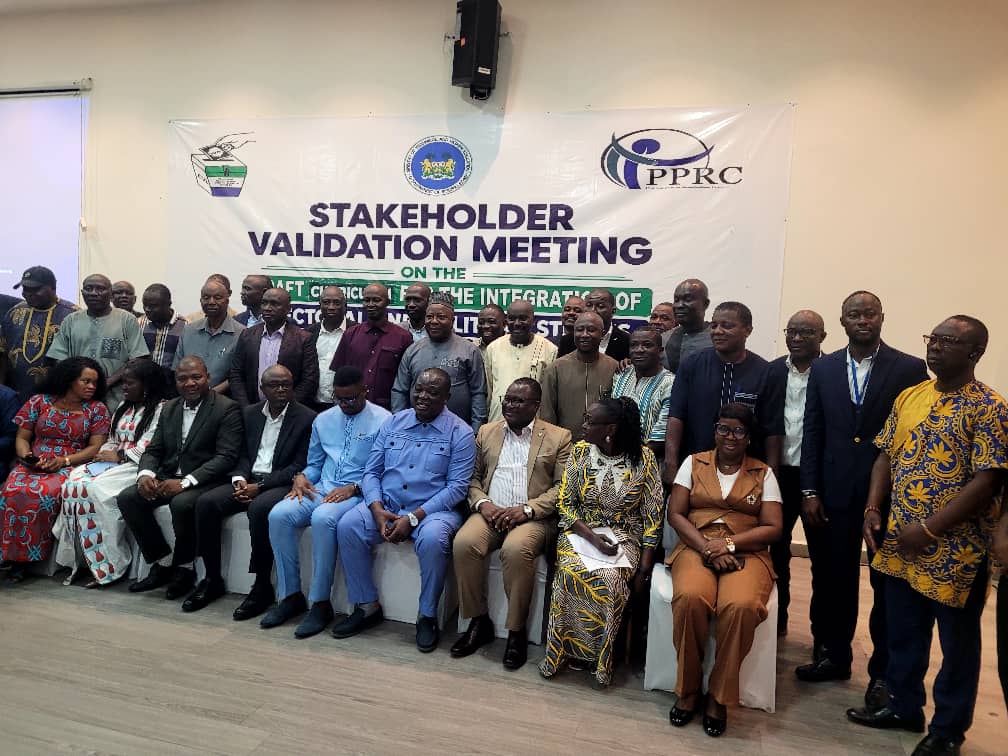
The Electoral Commission of Sierra Leone (ECSL) on Tuesday, September 22, 2026, brought together key stakeholders at the New Brookfields Hotel in Freetown for a validation meeting on a draft curriculum designed to integrate electoral and political studies into university education.
The meeting attracted representatives from the Electoral Commission of Sierra Leone, the Political Parties Regulation Commission (PPRC), the Ministry of Technical and Higher Education, the Tertiary Education Commission, the Council of Vice-Chancellors and Principals, universities and colleges, academics, curriculum specialists and other stakeholders involved in democratic governance and education.
The proposed curriculum is intended to provide university students with a structured academic understanding of elections, political institutions, democracy, governance, political participation, civic responsibility and the wider processes that shape democratic development in Sierra Leone.
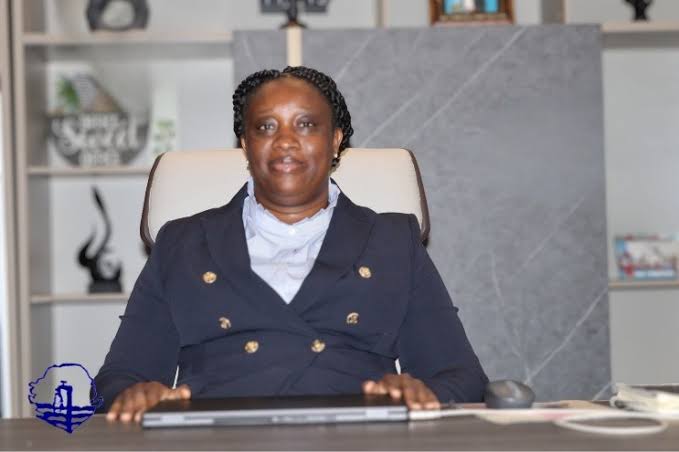
Opening the meeting, Commissioner Zainab Umu Moseray, who oversees the Training and Procedures Department of the ECSL, described the occasion as an important moment in the country’s democratic development.
She acknowledged the technical teams and experts who had worked over an extended period to develop the draft document, stressing that the process required collaboration between electoral institutions, political regulation authorities, education institutions and academia.

According to Commissioner Moseray, the proposed programme is not simply about adding another academic subject to university curricula. She said it represents an investment in preparing young people with the knowledge, values and practical skills required to understand and participate responsibly in democratic processes.
She noted that the curriculum is expected to deepen students’ understanding of elections, democracy, governance, political institutions and civic responsibilities while encouraging peaceful participation, national cohesion, tolerance and respect for divergent political opinions.
Commissioner Moseray emphasized that democracy should not be reduced to periodic elections.
She explained that democratic development also depends on citizens’ ability to engage in dialogue, understand political differences, respect institutions and participate constructively in national affairs.
She said the validation process would allow stakeholders to critically examine the revised curriculum, assess its academic quality and practical relevance, examine its consistency with national education policies and identify any remaining gaps or areas requiring improvement before implementation.
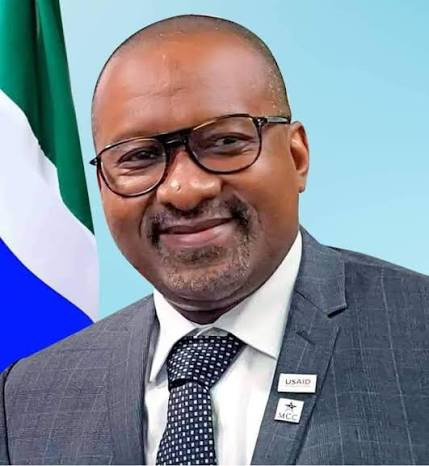
Chief Electoral Commissioner and Chairman of the Electoral Commission of Sierra Leone (ECSL), Edmond Sylvester Alpha, described the initiative as an investment in democratic citizenship, electoral knowledge, professional development and meaningful participation in the country’s electoral processes.

He said the development of the university programme builds on previous efforts by the Electoral Commission and its partners to strengthen electoral administration, civic education and professional capacity.
Alpha noted that Sierra Leone’s democratic experience demonstrates the importance of having citizens who understand not only how elections are conducted, but also the institutions, laws, responsibilities and values that underpin democratic governance.
He said electoral institutions require competent professionals, but the success of democracy also depends on citizens who understand electoral processes and are capable of making informed contributions to national development.
The Chief Electoral Commissioner recalled earlier initiatives involving electoral administration and civic education, explaining that these experiences contributed to the development of more structured approaches to electoral training and education.
He said the proposed degree programme represents an opportunity to institutionalize and advance those experiences through the university system.

Alpha further emphasized the role of universities as centres for research, evidence-based analysis and constructive engagement on national issues.
He encouraged universities to complement classroom teaching with practical exposure, research, internships, field studies and partnerships with electoral institutions and other stakeholders.
According to him, students should not view the programme merely as a pathway towards obtaining academic qualifications, but as an opportunity to acquire practical knowledge that can contribute to strengthening democratic institutions.
He also called for the curriculum to remain responsive to emerging political and electoral challenges rather than becoming a static academic document.
Chairman of the Political Parties Regulation Commission, Emmanuel K. Amara, said electoral and political education are fundamental to the functioning of democracy.
He explained that electoral studies would help students understand the various stages of the electoral process, including voter identification, electoral systems, nominations, campaigns, polling, counting and electoral administration.
Political studies, he said, would provide students with knowledge of political parties, political participation, political pluralism, internal party democracy, inclusion, accountability, conflict management and the responsibilities associated with democratic competition.
Amara said bringing the two areas together would give students a broader understanding of Sierra Leone’s democratic architecture.
He stressed that political participation should not be understood only as voting during elections, but should include citizens’ engagement with political institutions, public policy, community affairs and national development.
The PPRC Chairman also emphasized the importance of political tolerance and peaceful competition.
He said citizens should be able to hold different political beliefs without allowing those differences to become sources of hostility and division.
According to him, dialogue, inclusion, respect for the rule of law and peaceful political opposition are essential elements of democratic governance.
Amara further called for the curriculum to be subjected to continuous review after its adoption, noting that political institutions, electoral systems and democratic challenges evolve over time.
Representatives of the tertiary education authorities also welcomed the proposed curriculum, describing it as an opportunity to strengthen democratic knowledge and civic responsibility among university students.
They stressed the importance of ensuring that the programme meets appropriate academic standards and remains relevant to the Sierra Leonean context while drawing from international best practices.
The education authorities indicated their readiness to support the necessary accreditation and institutional processes following the completion of the validation exercise.
Chairman of the Council of Vice-Chancellors and Principals, Professor Edwin J. Momoh, commended the institutions and individuals who contributed to the development of the curriculum.
Professor Momoh said the participation of universities in the process was important because the institutions would ultimately be responsible for delivering the programme to students.
He emphasized the need for the curriculum to be contextually relevant while maintaining standards that can allow Sierra Leonean graduates to compete in a changing global environment.
He also encouraged stakeholders to participate fully in the validation process, arguing that broad ownership would be important for successful implementation.
Representing the Ministry of Technical and Higher Education, Deputy Minister Sarjoh Aziz Kamara described the initiative as an important step towards strengthening democratic institutions and political understanding in Sierra Leone.
He said the development of the curriculum reflects national efforts to build intellectual and institutional capacity within the country’s universities.
According to Deputy Minister Kamara, mainstreaming electoral and civic education into higher education can provide students with a stronger understanding of electoral processes, democratic principles, political institutions, civic responsibilities and governance.
He stressed, however, that the initiative should not end at universities.
The Deputy Minister called for democratic and electoral education to be extended through media platforms, local languages and traditional communication mechanisms so that electoral knowledge can reach citizens who may not have access to university education.
His position highlights a wider challenge for Sierra Leone: while university-based electoral education could produce a new generation of politically and electorally informed professionals, democratic knowledge cannot be limited to students in tertiary institutions.
Millions of citizens engage with elections without passing through universities, making public education, community outreach and accessible communication equally important components of democratic development.
The validation meeting therefore represents an important stage in the proposed institutionalization of electoral and political studies within Sierra Leone’s higher education system.
If successfully accredited and implemented, the programme could provide a formal academic pathway for students interested in electoral administration, political science, civic education, governance, research, journalism and other fields connected to democratic institutions.
However, the effectiveness of the programme will ultimately depend not only on the quality of the curriculum but also on how it is implemented.
Universities will need qualified lecturers, appropriate teaching materials, practical learning opportunities and adequate institutional support. Students will also need opportunities to engage directly with electoral institutions, political parties, civil society organizations and communities to connect academic knowledge with real-world democratic processes.
The programme could also provide an opportunity to address the gap between election-period civic sensitization and sustained democratic education.
In many societies, public attention to electoral issues increases sharply during election periods. A university-based programme offers the possibility of moving electoral education beyond periodic campaigns and towards a continuous academic and civic process.
For Sierra Leone, where political competition can generate intense public debate, stakeholders at the meeting emphasized the importance of developing citizens who can understand political differences without allowing those differences to undermine peaceful coexistence.

The proposed curriculum therefore places particular emphasis on democratic values, political tolerance, responsible participation, dialogue, inclusion and respect for institutions.
The stakeholder validation is expected to inform further refinement of the draft curriculum before it moves through the relevant academic and accreditation processes.
The meeting ultimately brought together electoral authorities, political regulators and the higher education sector around a common objective: creating a structured academic platform through which future generations can better understand Sierra Leone’s electoral and political systems.
As the country continues to strengthen its democratic institutions, the success of the initiative will depend on whether the curriculum moves beyond a validated document and becomes an effectively delivered programme capable of producing knowledgeable, responsible and practically engaged citizens.
The Chief Electoral Commissioner and Chairman of the Electoral Commission of Sierra Leone (ECSL), Edmond Sylvester Alpha, was among the key figures whose leadership and participation underscored the Commission’s commitment to strengthening electoral knowledge and democratic education in Sierra Leone