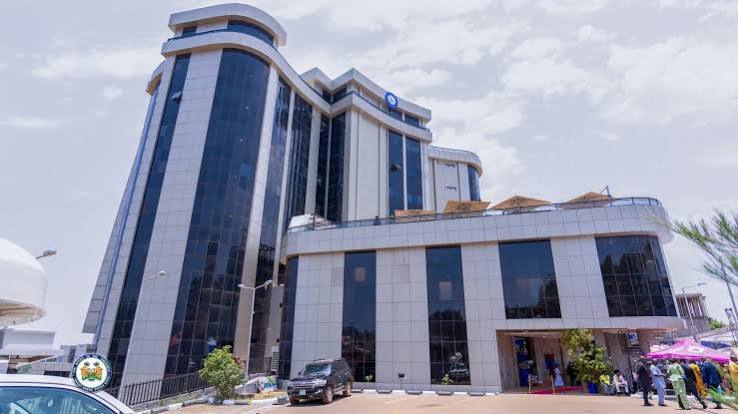
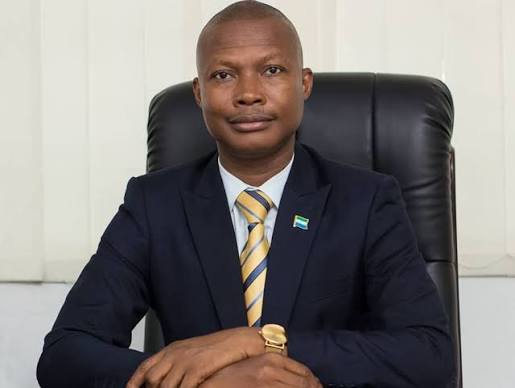
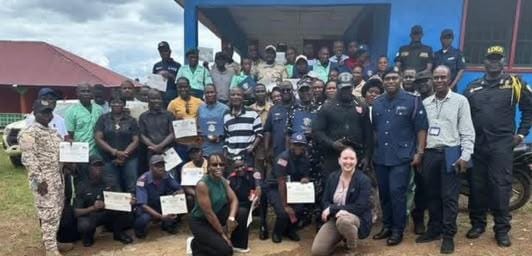
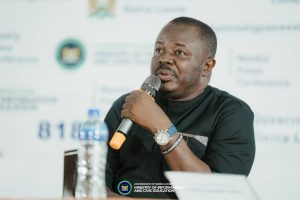
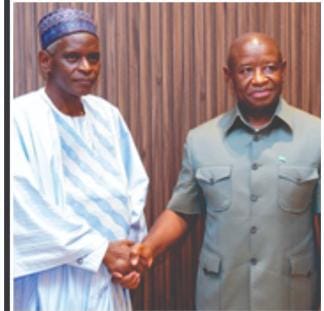
DG Daboh Commissions NASSIT Moyamba Office
By Abdul Rahman Bah
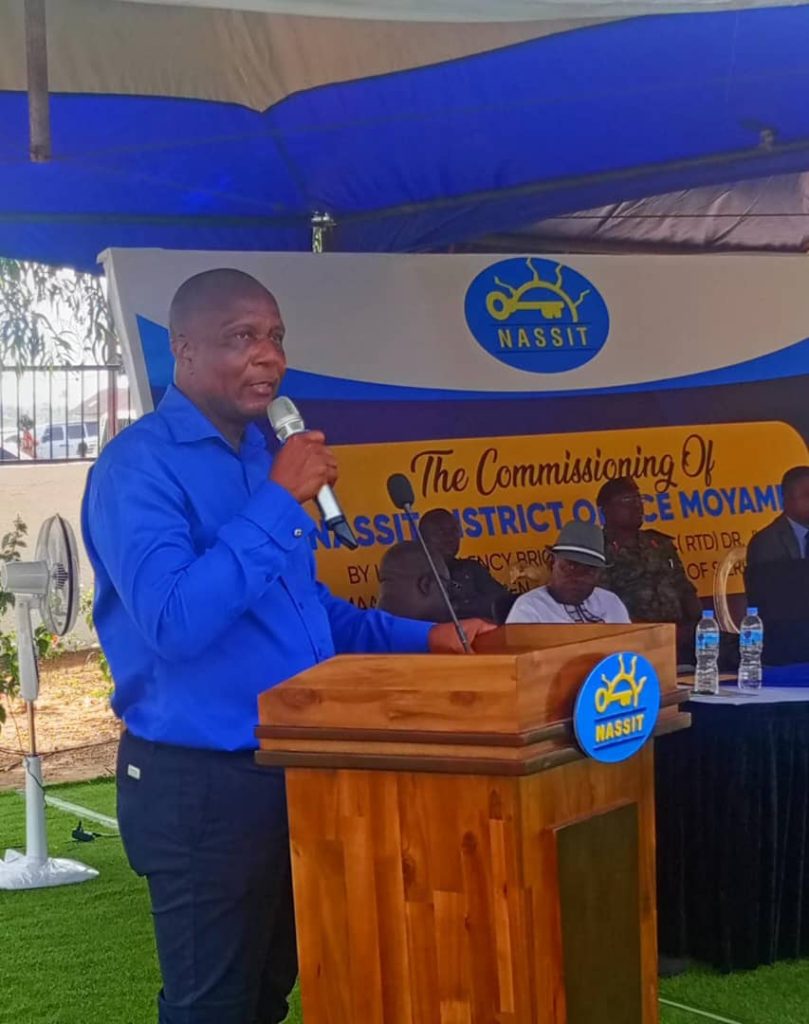
The Director General of the National Social Security and Insurance Trust (NASSIT), Mohamed Faud Daboh, has described the commissioning of the NASSIT District Office in Moyamba as a major milestone in the government’s ongoing efforts to decentralise public institutions and expand access to social security services across Sierra Leone.
Speaking at the commissioning ceremony held in Moyamba on Friday, 16 January 2026, Daboh said the opening of the office represents a deliberate policy decision to bring national institutions closer to the people, particularly communities that have long been underserved. He welcomed the Vice President, the Chief Minister, the Minister of Employment, Labour and Social Security, other cabinet ministers, members of parliament, traditional leaders, and NASSIT staff, noting that their presence underscored the national importance attached to the project.
The NASSIT Director General explained that the decision to establish a district office in Moyamba was the result of extensive research, policy planning, and sustained engagement under the government’s New Direction and Big Five Agenda. For many years, he said, contributors and beneficiaries outside Freetown were forced to travel long distances to access NASSIT services, creating unnecessary hardship and discouraging compliance.
Daboh recalled that discussions on decentralising NASSIT operations gained momentum between 2021 and 2022 during engagements with President Julius Maada Bio, when the need to address long-standing imbalances in service delivery became increasingly urgent. He noted that Moyamba consistently emerged as a priority district due to its strategic importance, population needs, and contribution to national development.
He further disclosed that before selecting Moyamba, NASSIT commissioned studies to determine the most suitable districts for expansion. The findings, he said, clearly identified Moyamba as an ideal location based on accessibility and economic activity.
The Director General acknowledged that the project initially faced challenges, particularly in securing land, as issues relating to ownership, documentation, and financing threatened delays. However, he commended Paramount Chiefs, district authorities, and sons and daughters of Moyamba for setting aside differences and working collectively to ensure the project’s success.
He also praised the Ministry of Lands and Surveys for its role in facilitating the land acquisition process, describing the eventual handover of the site to contractors as a critical turning point. Daboh commended Sewa Ventures, the construction firm, for its professionalism and consistency, noting that the company worked closely with local stakeholders throughout the project.
Paying special tribute to the Minister of Employment, Labour and Social Security, Daboh described the minister as hands-on and results-driven. He said the minister’s constant follow-up, including during weekends, ensured that challenges were swiftly addressed and standards maintained.
Daboh emphasized that the new Moyamba office will significantly improve access to social security services for workers, employers, and pensioners in the district and surrounding areas. Contributors will now be able to register, process benefits, and resolve issues locally without travelling to regional or national offices.
He stressed that decentralisation goes beyond constructing buildings, noting that it is about restoring dignity, trust, and confidence in public institutions. Bringing services closer to the people, he said, enhances compliance, strengthens revenue collection, and safeguards workers’ contributions.
Daboh concluded by thanking President Julius Maada Bio for his leadership and support, describing the Moyamba office as clear evidence that with political will, cooperation, and community engagement, long-standing development gaps can be addressed. He assured residents that NASSIT remains committed to expanding its nationwide presence to ensure social security services are accessible, efficient, and responsive to the needs of all Sierra Leoneans